

Okay, so check this out—I’ve lived with hardware wallets for years. Wow! My first reaction was pure relief. Seriously? A tiny device could replace a lifetime of worry. At first it felt like magic. Then reality set in, slow and practical, and the trade-offs became obvious.
Whoa! I remember thinking a seed phrase was enough, but something felt off about how casually people treated backups. Hmm… My instinct said you should treat a hardware wallet like a safe deposit box, not a phone. Initially I thought hardware wallets were infallible, but then realized firmware bugs and supply-chain risks change the calculus. Actually, wait—let me rephrase that: hardware wallets massively reduce risk, though they don’t remove every vector, and you need procedures to match the threat model.
Here’s the thing. Signing a transaction with a hardware wallet is the core act that keeps your private keys offline. Short sentence here. The device verifies details and then signs, so your keys never leave cold storage. But the UX around that verification can be subtle, and if you don’t pay attention, you can be fooled by a manipulated host or by social engineering. On one hand hardware signing forces explicit confirmation on-device; on the other hand users sometimes approve without reading, which—if I’m honest—bugs me.
Transaction signing: trust the screen, verify the details
When signing a transaction you want three things: the right destination, the right amount, and the right calldata if you’re interacting with smart contracts. Short note. Don’t assume the desktop app shows everything. Many wallet apps present summaries, but only the device’s screen is authoritative. My rule: always read the device display slowly before confirming. If the address is long, compare the first and last four characters, and trust your device’s ability to display the contract data in plain language where possible. (Oh, and by the way… sometimes the display truncates—so take the extra second.)
Something practical: use an address book for recurring destinations, and keep a separate verification list offline. Hmm… that sounds a bit overboard, but when you move large sums it’s worth it. Initially I relied on copy-paste and checksum validation, but then realized that clipboard malware and compromised hosts can redirect destinations. So now I manually verify important transactions on-device and use QR codes for air-gapped signing when available.
There are trade-offs in UX vs security. A simpler flow is easier to use but can hide details. A more explicit flow forces you to read and slows you down, which is good. My instinct says: slow down when money moves. Seriously—slow down.
Portfolio management: balance visibility and compartmentalization
Managing a broad portfolio across many chains and accounts is messy. I use accounts to compartmentalize risk; each account has a purpose. Short thought. One account houses long-term holdings; another handles active trades; a third is for staking and DeFi experiments. This segmentation helps contain loss if one account’s keys are exposed or if you accidentally approve a malicious contract.
Tools that provide portfolio views are convenient, but be cautious granting permissions. Many portfolio managers require only read access via public addresses, and that’s fine for a consolidated view. However, when a tool asks for wallet connectivity, check the scopes. I learned that some services request signature permissions that could enable spending if misused—so audit each connection. Initially I connected everything for convenience, but then tightened permissions after a near-miss involving a phishing dApp.
Pro tip: offline watch-only wallets are underrated. They let you track balances without exposing keys. Also, maintain an up-to-date inventory with critical metadata: average buy price, staking lockup periods, and recovery locations. That metadata has saved me from panic during market dips—seriously, it helps.
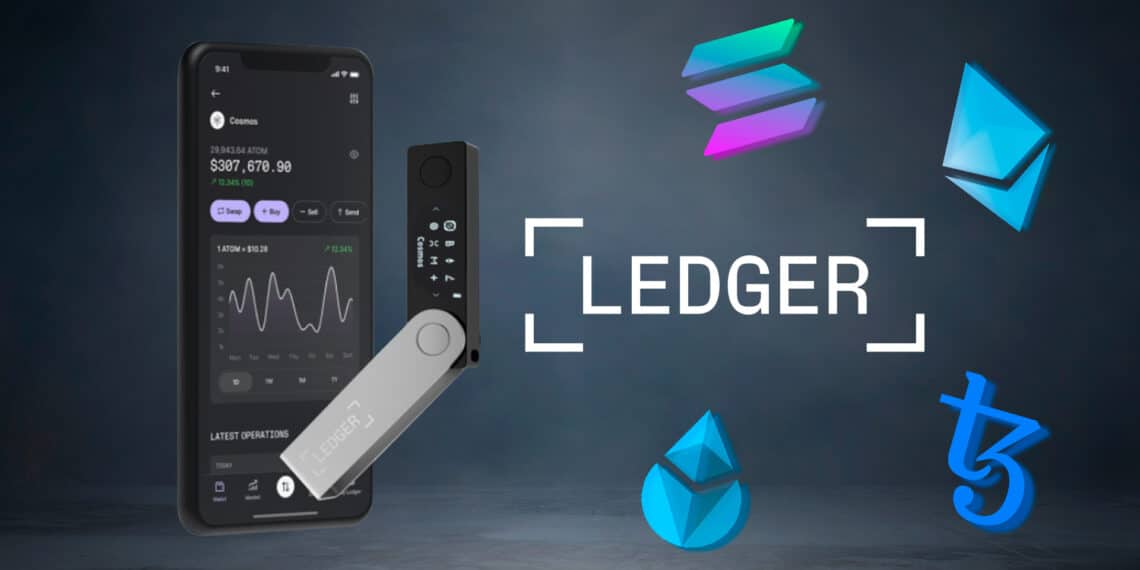
Okay—gadgets and apps: I use a hardware wallet paired with a desktop manager most days. If you like a polished companion app, consider one that emphasizes privacy and minimal remote telemetry. For a native-like experience, try ledger live for account aggregation and transaction preparation, but always validate signatures on the device screen. That balance of convenience and hardware verification is the sweet spot for many folks.
Staking from a hardware wallet: yield with caution
Staking is attractive—passive yield without selling. But staking flows vary per chain and often require delegation or contract interactions. Short sentence. Use on-chain explorers to verify validator info before delegating, and prefer well-known validators with good track records, low downtime, and reasonable commission rates. I’m biased toward validators run by teams with transparent ops and public slashing history.
Delegating typically doesn’t expose private keys beyond the device signing the delegation transaction. Still, pay attention to any extra messages during signing. Some chains include unstaking conditions, cool-down periods, or bonding windows that aren’t obvious in a quick review. Initially I delegated without reading the fine print and mis-timed an unstake window—lesson learned. Actually, wait—that wasn’t a disaster, but it cost me liquidity for weeks, which stung.
Consider running small test delegations when trying new staking providers. This reduces your exposure to slashing or misconfiguration. Also keep track of multiple epoch lengths across networks; the time to withdraw varies, and that impacts portfolio liquidity. The safest approach is conservative allocations to staking until you trust the provider and understand the chain’s behavior.
Air-gapped signing and supply-chain hygiene
Air-gapped signing increases security by isolating the signing device from the internet. Wow. Use a secondary device or an unsigned transaction file transferred via QR or SD card. This approach reduces risk from host compromise. My setup is not fancy: a dedicated laptop that never connects to the internet, and a hardware wallet I only attach when needed. Hmm…
Supply-chain attacks are real. Buy devices from official vendors, and inspect packaging for tampering. If something seems off, return it. Also follow the vendor’s firmware-update guidance carefully; updates fix security bugs but can also introduce new behaviors. Initially I avoided updates, thinking “if it ain’t broke…” but then a critical fix addressed an exploit vector—so keep firmware current while verifying release notes and checksums.
Remember that backups are critical. Write your seed phrase in durable, offline media—metal plates are great. Don’t photograph or store the phrase in cloud services. I’m not 100% sure any storage is bulletproof, but redundancy across geography helps. One of my worst missteps was storing a backup in a single safe that later became inaccessible—very very important to diversify.
Human factors and social engineering
People are the weakest link. Phishing emails, fake support lines, and clone websites are everywhere. Short line. Always navigate to known URLs rather than clicking links. If a support person asks for a recovery phrase, hang up immediately—no legit support asks for that. Oh, and by the way—never type your seed into a device that doesn’t need it.
When sharing portfolio info, obfuscate amounts if possible. Public bragging attracts targeted attacks. I used to tweet positions, then stopped after a suspicious DM. Now I’m more private; it’s less fun but safer. My instinct told me to be open, but experience nudged me toward discretion.
Common questions
Can I stake directly from a hardware wallet without exposing my keys?
Yes. Delegations and stake transactions can be signed on-device so private keys remain offline. However, you should carefully review on-device prompts to ensure the correct validator and amounts. Small test delegations help build confidence before committing large sums.
Is air-gapped signing necessary for everyone?
Not everyone needs it. For small balances or low-risk users, normal hardware wallet signing paired with safe habits is adequate. For large portfolios or institutional setups, air-gapped flows add meaningful protection. Think in terms of threat models: the higher the value and adversary sophistication, the more isolation you should adopt.